Choose a rhythm before a month
A mountain-lake holiday can be built around swimming, walking, long lunches or simply watching weather move across the water. Those intentions do not all favour the same conditions. Begin with the activities that would make the stay worthwhile, then identify the services and weather windows they depend on. This is more reliable than choosing a season because it looks quiet in photographs.
Altitude, exposure and local geography complicate broad labels such as “spring” and “winter”. Lake Thun and Lake Brienz sit within a different travel context from a high Alpine basin, while Lake Wolfgang has its own pattern of visitor activity and surrounding mountain access. A mild lakeside afternoon says little about a shaded path farther uphill. Plan the accommodation and the day’s route at their respective elevations.
Spring: generous light, unfinished transitions
Spring can bring fresh foliage, clear views after rain and a pleasing sense of space. It can also mean maintenance closures, limited transport services and snow remaining above the settled shore. Ask when outdoor furniture, pools or other seasonal facilities are actually made available. Do not assume that an amenity pictured in a summer listing is ready for use throughout the year.
Paths may be wet, damaged or temporarily restricted, and water can remain cold despite pleasant air temperatures. Check official local notices before planning a shoreline walk or mountain excursion. If your main pleasure will be the villa itself, confirm that heating and indoor dining arrangements work comfortably on a chilly or rainy day. Shoulder-season flexibility is valuable only when the room supports it.
Summer: more daylight, more exposure
Summer gives a lake-facing terrace a longer working day. Breakfast, reading and dinner can each have a different relationship with the sun. The same extended daylight can reveal weaknesses in shading or bedroom blackout. Confirm whether cooling serves sleeping areas, whether terrace shade is fixed or movable, and whether opening windows remain practical when insects or outside noise are present.
Mountain weather can change quickly, including the development of thunderstorms. A forecast should be read as a planning tool rather than an assurance. MeteoSwiss, GeoSphere Austria and ARSO provide official national weather information for their respective countries. Follow local warnings and avoid treating a sheltered-looking lake or a short walking route as inherently safe during deteriorating conditions.
Autumn: beautiful contrast, shorter margins
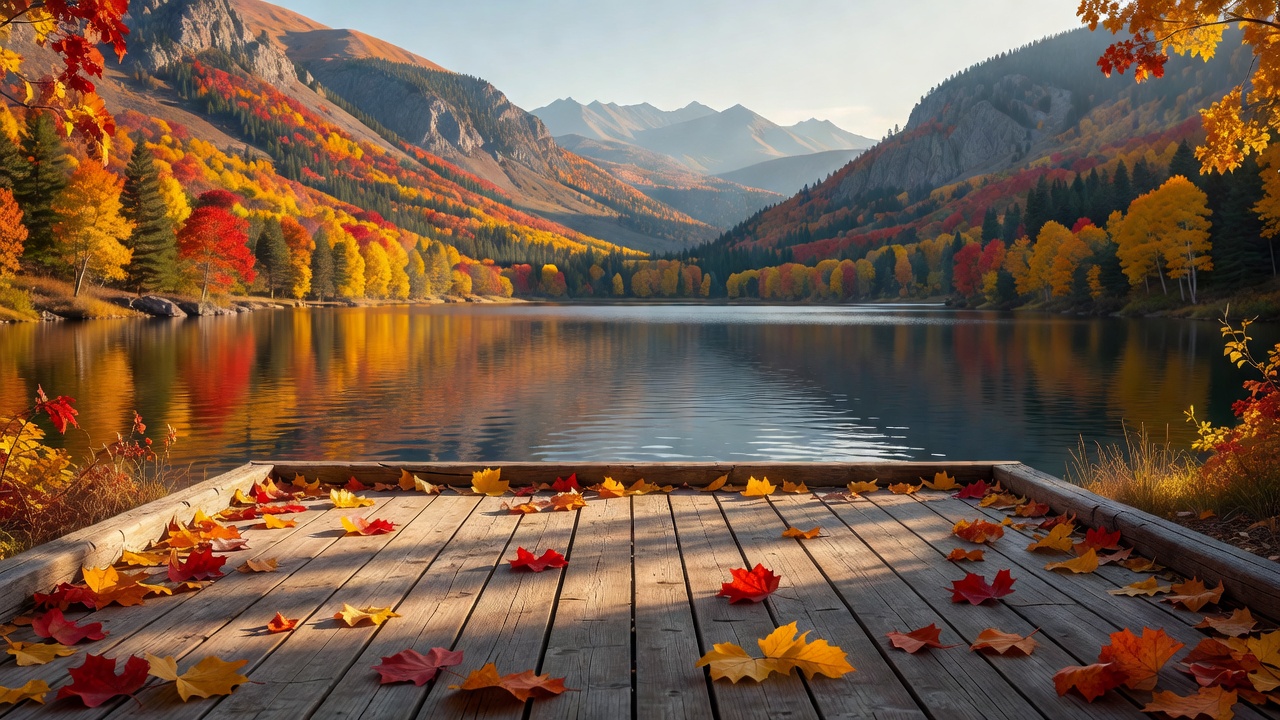
Autumn often draws attention to the relationship between warm interiors and a changing landscape. Lower sun can travel deeper into a room, improving the atmosphere while increasing glare at certain hours. Leaf fall can also alter privacy around terraces and bedrooms. Ask whether the screening shown in photographs remains effective during your intended dates.
Shorter days make the final part of an arrival more important. A steep unfamiliar access lane is easier to assess in daylight than after dinner. Check outdoor lighting, key collection and the nearest dependable food option. Around places such as Lake Hallstatt, visitor patterns may remain active beyond a simple summer peak, so assess the actual calendar rather than assuming every autumn week is quiet.
Winter: the interior becomes the itinerary
Winter can turn a panoramic room into a particularly compelling place to spend time. It also places more weight on heating, ventilation, condensation management and safe access. Request details of road clearing, parking, the final path and any equipment requirements. Rules for tyres, chains and winter driving vary by jurisdiction and conditions; consult current official guidance for the route you will use.
A frozen-looking lake is not an invitation to walk on it. Ice conditions can vary within a small area and cannot be judged reliably from a villa window or a photograph. Use only activities explicitly permitted and managed locally, and follow current restrictions. If a winter view is the main attraction, make sure the accommodation remains enjoyable without assuming access to the water or a mountain trail.
Transport has its own seasons
Ferries, mountain railways, cableways and buses may operate different timetables across the year. Swiss Federal Railways, ÖBB and individual local operators are better sources for current journeys than a general accommodation description. Check the last connection as carefully as the first, and confirm how you will complete the final stretch to the door.
Build a modest alternative plan around ordinary comforts: groceries, a sheltered walk and enough indoor space for everyone travelling. Ask the host how a day of persistent rain is usually managed, without treating their answer as a weather guarantee. The most satisfying season is often the one whose limitations you have anticipated, leaving you free to enjoy its particular kind of light.
Official checks before departure
- MeteoSwiss — Swiss weather forecasts and warnings.
- GeoSphere Austria — Austrian weather and geoscience information.
- ARSO — Slovenian environmental and weather information.
- Swiss Federal Railways and ÖBB — current rail journey planning.
- Salzkammergut Tourism — regional context for Lake Wolfgang and Lake Hallstatt.